 AI Summary Overview
What is Bell's Palsy?
Bell's palsy is a neurological condition that causes sudden weakness or paralysis on one side of the face. It happens when the seventh cranial nerve, also called the facial nerve, becomes inflamed and stops working properly. This nerve controls the muscles responsible for blinking, closing the eye, and making facial expressions like smiling.
Bell's palsy is considered an acute condition and usually gets better on its own over time. Doctors call it idiopathic, which means there is no clear cause that can be identified.
How Common is Bell's Palsy in India?
There is not much data about how common Bell's palsy is in India, but global numbers can help give some idea. Studies estimate that 15 to 23 people out of every 100,000 are affected each year, and about 12% of people may have it more than once.
Other studies show that the number of cases each year can range from 11 to 40 per 100,000 people, depending on the area.
While there are no large national studies, factors like diabetes rates and climate may affect how often Bell's palsy happens in different parts of India.
What are the Symptoms of Bell's Palsy?
Symptoms of Bell's palsy can be different for each person. Some people have mild weakness, while others have complete paralysis on one side of the face. Symptoms usually appear quickly and are at their worst within one to three days.
Here are the most common signs to watch for:
-
Facial drooping: Sudden weakness or paralysis affecting one side, making expressions like smiling difficult.
-
Drooping of the mouth: This is often accompanied by drooling, especially when drinking.
-
Inability to close the eye: The affected eye stays partially open, resulting in dryness.
-
Excessive tearing: The affected eye may water more than usual, even though it cannot close fully.
-
Pain near the ear: A dull ache around or behind the ear on the affected side is often one of the first symptoms.
-
Altered taste: The front two-thirds of the tongue may undergo reduced or changed taste sensation.
-
Sensitivity to loud sounds: Sounds may seem uncomfortably loud or sharp on the affected side. This is called hyperacusis.
In rare cases, both sides of the face can be affected simultaneously, which requires urgent medical evaluation.
What Causes Bell's Palsy?
Doctors do not know the exact cause of Bell's palsy. The most likely reason is that an old viral infection becomes active again, making the facial nerve swell inside the bone. This swelling reduces blood and oxygen to the nerve, which causes weakness or paralysis.
Several risk factors are associated with a higher likelihood of developing the condition.
-
Viral reactivation: Research has found that herpes simplex virus shows the strongest association with Bell's palsy.
-
Diabetes: Bell's palsy may occur in people with diabetes due to diabetic angiopathy (high blood sugar levels affecting the blood vessels).
-
Pregnancy and preeclampsia: Hormonal and immune alterations during pregnancy raise susceptibility.
-
Hypertension and obesity: High blood pressure and being overweight are risk factors, especially when combined with other health problems.
-
Immune suppression: Stress, lack of sleep, and minor illnesses can weaken your immune system and may trigger nerve inflammation.
-
Cold exposure: Studies show that being in cold weather or environments with high air pressure can increase the risk of Bell's palsy.
What are the Complications of Bell's Palsy?
Most people recover fully, but some may have complications. This is more likely if treatment is delayed or the nerve damage is severe.
-
Corneal damage: An eye that cannot close fully is exposed to dryness, irritation, and, in serious cases, ulceration or perforation of the cornea.
-
Synkinesis: Involuntary muscle movements happen alongside deliberate ones, such as the mouth twitching when blinking.
-
Crocodile tears syndrome: Tears appear when eating, caused by misdirected nerve fibres during healing. This affects approximately 3.3% of Bell's palsy cases.
-
Facial contracture: Muscles on the affected side may tighten permanently in some patients.
-
Tinnitus and hearing changes: Some patients report ringing in the ears or changes in hearing during facial movement.
-
Psychological distress: Alterations in facial appearance can make it hard to show emotions, which may lead to feeling withdrawn or having emotional challenges.
One long-term study found that about 9% of people had at least one lasting complication after more than six months.
When Should I See My Healthcare Provider?
Bell's palsy symptoms can look like a stroke, so it is important to see a doctor as soon as possible. You should get checked if you notice any of these signs:
-
Sudden facial drooping: Any new one-sided weakness or paralysis, even if mild, needs immediate assessment.
-
Inability to close one eye: This puts the cornea at immediate risk and requires urgent care.
-
Ear pain followed by facial weakness: This sequence is a classic early warning pattern.
-
Worsening beyond 72 hours: Symptoms that continue to progress after three days require reassessment.
-
Bilateral facial weakness: Weakness on both sides simultaneously is unusual and requires urgent evaluation.
-
Facial weakness with a rash: This combination may indicate Ramsay Hunt syndrome, an associated but different condition.
-
Recurrent episodes: A second or third occurrence of facial palsy warrants thorough investigation.
How is Bell's Palsy Diagnosed?
Doctors usually diagnose Bell's palsy by looking at your symptoms and ruling out other causes. There is no single lab test that can confirm Bell's palsy by itself.
-
Clinical Examination The doctor will check how your facial muscles work, including your forehead and how well you can close your eyes. If your forehead muscles are still strong, it may mean the problem is in the brain, not the facial nerve, which would change the diagnosis.
-
House-Brackmann Grading Doctors use a standard scale to grade facial movement from Grade I (completely normal) to Grade VI (complete paralysis). Studies in India and other countries show that people with a lower grade when they first see the doctor usually recover better.
-
Imaging and Nerve Studies In unusual or severe cases, doctors may use MRI scans and a test called electroneuromyography (ENMG) to screen for nerve damage and make sure there are no tumours or other problems.
| Test | Purpose | Use |
| Clinical examination | Assess facial nerve function | All cases |
| House-Brackmann grading | Grade severity of weakness | All cases |
| MRI with gadolinium contrast | Rule out tumours or other causes | Atypical cases or no recovery |
| Electroneuromyography (ENMG) | Assess nerve damage and prognosis | Severe or non-recovering cases |
These tests help doctors decide on the best treatment and can give an idea of how well someone might recover.
How is Bell's Palsy Treated?
Treatment is most effective when started early. Doctors recommend corticosteroids as the main treatment, and it is best to begin them within 72 hours after symptoms start. Studies show that starting steroids after four days lowers the chances of a full recovery.
-
Protecting the eyes is very important. Use lubricating drops during the day and ointment at night to help protect the eye. In severe cases, the eyelid may need to be taped shut while sleeping.
-
Antiviral medications may be added alongside steroids in severe cases, but antivirals alone are not recommended.
-
Physiotherapy can help people who have unwanted muscle movements or do not fully recover. For a few patients who do not get better with standard treatment, surgery may be considered, but current research does not strongly support facial nerve decompression surgery.
How Does Bell's Palsy Affect the Eyes?
Taking care of the eyes is very important because ignoring them can lead to permanent problems. If the facial nerve is paralysed, the eyelid may not close all the way. This is called lagophthalmos and can leave the eye exposed to dryness, scratches, and infection.
Research on patient-reported outcomes found that artificial tears and lubricating ointment provided the highest satisfaction and comfort among protective measures. Protective eyewear outdoors offers an extra layer of defence.
Most people have a natural reflex where the eye rolls upward when closing. This helps protect the cornea even if the eyelid does not close fully. But this reflex gets weaker with age, so older people are at higher risk.
Is Bell's Palsy More Common During Pregnancy?
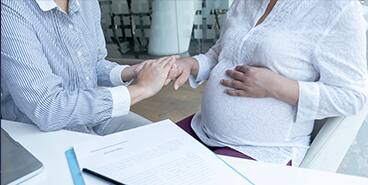
Pregnancy is a recognised risk factor for Bell's palsy. Pregnant women, particularly those with preeclampsia, face a higher likelihood of developing the condition.
The reasons are not fully understood, but immune system changes during pregnancy may contribute. This does not mean every pregnant woman will develop Bell's palsy. However, any sudden facial weakness during pregnancy should be assessed promptly by both an obstetrician and a neurologist.
Treatment decisions in pregnancy require careful balancing of maternal and foetal safety and should always be made by qualified specialists.
What is the Prognosis for Bell's Palsy?
The outlook is generally positive.
In India, a clinical study from Puducherry in South India followed 34 patients with Bell's palsy. By the end of eight weeks, 94% could close their eyes, and over 91% had recovered to near-normal facial function.
The Copenhagen Facial Nerve Study found that around 71% of patients recover normal facial function without any treatment. With prompt corticosteroid therapy, recovery rates rise to over 95%.
Most people recover in about two and a half months. Children and younger people usually recover faster and more completely than older adults. People with mild symptoms at the start also do better. Still, about 29% of patients have some lasting weakness, and in more than half of these cases, the weakness is severe or affects appearance.
How Can I Prevent Bell's Palsy?
There is no sure way to prevent Bell's palsy because the precise cause is not known. However, taking care of known risk factors may help lower your chances of getting it.
-
Control blood sugar: Keeping diabetes well-managed lowers your risk, given the strong association between diabetes and Bell's palsy.
-
Manage blood pressure: Hypertension is a recognised risk factor; routine monitoring and treatment help.
-
Maintain a healthy weight: Obesity is linked to a higher susceptibility to Bell's palsy.
-
Protect against cold exposure: Avoid prolonged exposure of the face to cold wind or low temperatures.
-
Prioritise sleep and stress management: Immune suppression from fatigue and stress is a suggested trigger.
-
Treat respiratory infections promptly: Upper respiratory illnesses are associated with an increased risk of Bell's palsy.
Does Health Insurance Cover Bell's Palsy?
Yes, hospitalisation for Bell's palsy is covered under most standard Indian health insurance policies. The details depend on your plan. If you are diagnosed for the first time during the policy period and have no previous history, it is usually not treated as a pre-existing condition. Coverage may start right away.
For those with a prior history, a waiting period of up to 36 months may apply under IRDAI guidelines, though many insurers offer plans with shorter waiting periods of 1 to 2 years. Importantly, neurological emergencies are frequently exempt from the standard 30-day initial waiting period, which may be relevant given how suddenly Bell's palsy can appear.
Coverage usually includes hospitalisation, tests like MRI and ENMG, and physiotherapy, as per your policy limits. Always tell the insurer about any past episodes when you buy a policy. Check your policy document carefully.
How Much Health Insurance Coverage Is Needed for Bell's Palsy Treatment?
The amount of health insurance you need depends on how serious your condition is, what treatment you need, and where you live. Usually, ₹5 to ₹10 lakh is enough to cover most Bell's palsy cases, including hospital stays, tests, and physiotherapy. In big cities where hospital costs are higher, it is better to have coverage at the higher end of this range.
Some people may need more coverage. Older adults, people with diabetes or high blood pressure, or those at risk for complications like eye damage or long-term muscle problems may have higher treatment costs. Surgery, long-term rehab, or eye procedures can also increase expenses. In such cases, a ₹15-₹20 lakh cover might be better. Comparing different plans can help you choose the right one.
FAQs
-
Q1. What is Bell's palsy in simple terms?
Ans: Bell's palsy is sudden one-sided facial weakness caused by inflammation of the facial nerve. It is the most common cause of facial paralysis. -
Q2. What are the first signs of Bell's palsy symptoms?
Ans: Sudden facial drooping, difficulty closing one eye, and drooling are early signs. Symptoms typically peak within 48 hours of onset. -
Q3. What are the two main causes of Bell's palsy?
Ans: The two most common triggers of Bell's palsy are viral reactivation, particularly herpes simplex virus, and immune suppression from stress, illness, or sleep deprivation.